
Packing Jobs in the United States: Opportunities and Insights
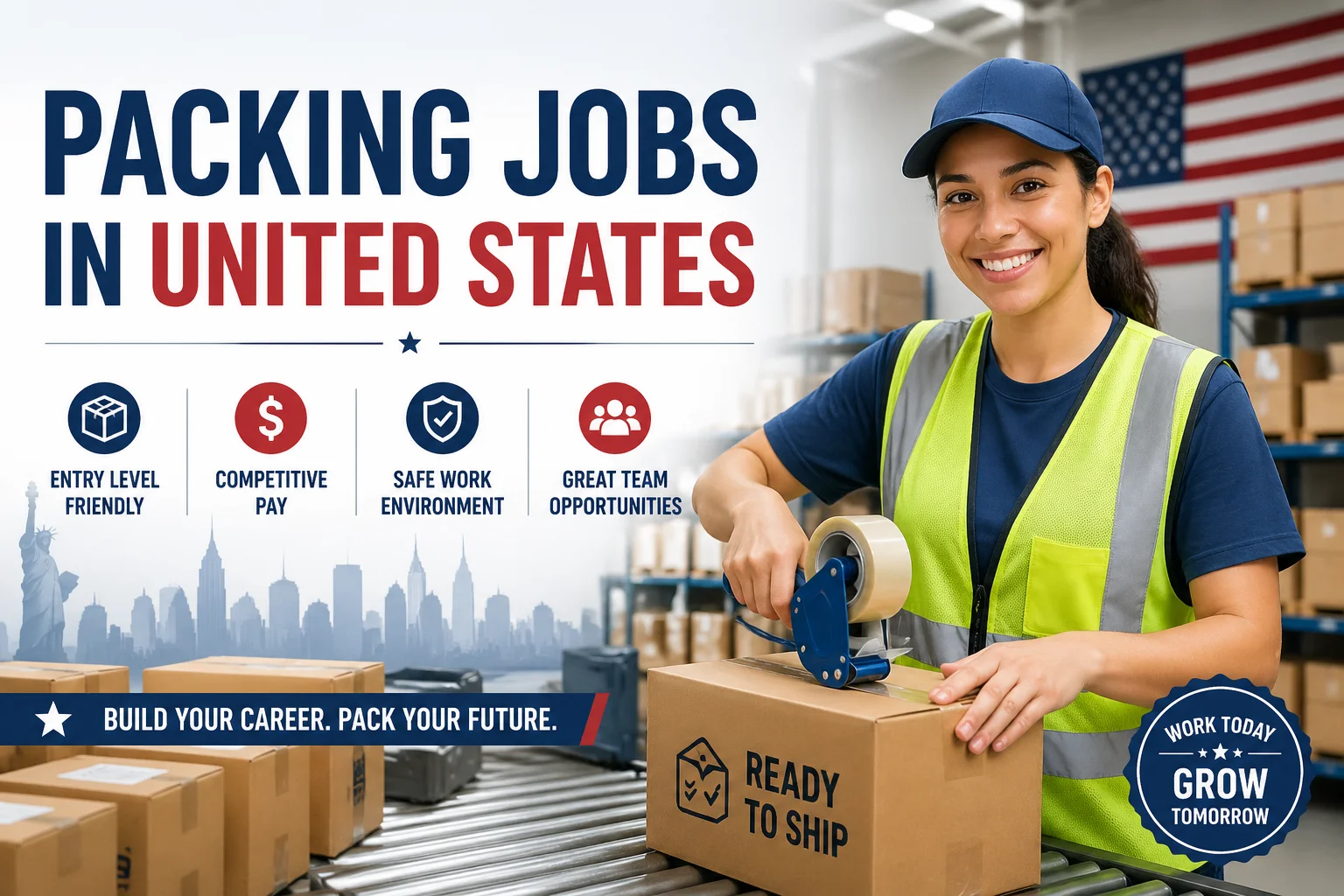
The United States offers a wide range of employment opportunities, and packing jobs are among the most accessible and in-demand roles across various industries. From warehouses to manufacturing plants, packing jobs play a crucial role in ensuring products reach consumers safely and efficiently. If you're exploring career options or seeking immediate employment, this guide will provide valuable insights into packing jobs in the United States, including job types, requirements, benefits, and how to get started.
What Are Packing Jobs?
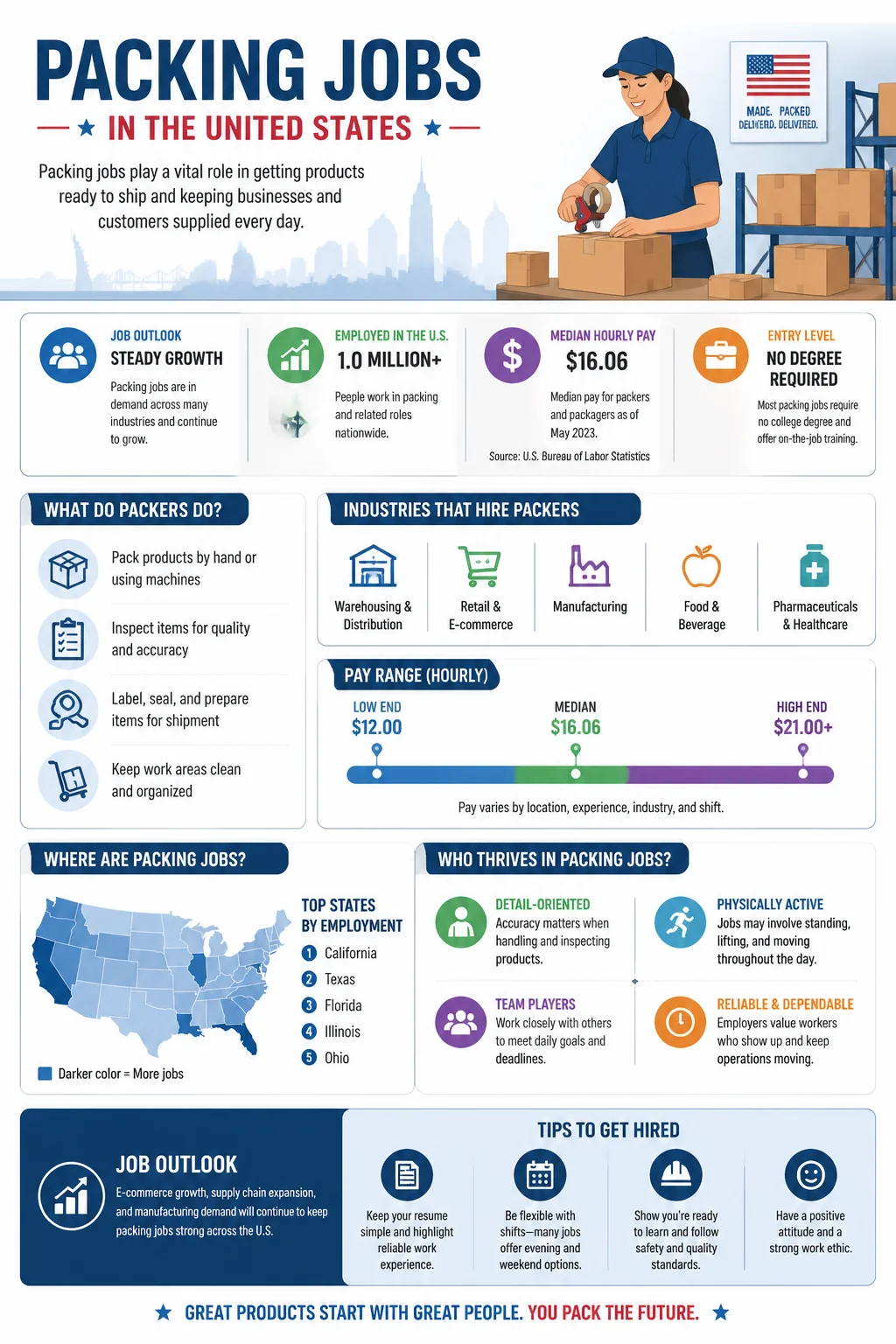
Packing jobs involve preparing goods for shipment or storage by wrapping, boxing, or sealing products according to specific guidelines. These roles are common in industries like e-commerce, retail, manufacturing, and logistics. Packers ensure that items are protected during transit, labeled correctly, and meet quality standards. With the rise of online shopping, the demand for packing professionals has surged, making it a promising field for job seekers.
Types of Packing Jobs in the United States
Packing jobs vary based on the industry and employer. Here are some common types of packing roles you can find across the country:
- Warehouse Packer: Works in distribution centers, packing items for shipment to stores or customers. Often employed by companies like Amazon or Walmart.
- Food Packer: Handles packaging of food products, ensuring compliance with health and safety standards. Common in food processing plants and factories.
- Manufacturing Packer: Packs finished goods in manufacturing facilities, such as electronics, clothing, or household items.
- Seasonal Packer: Temporary roles during peak seasons, such as holidays, where companies hire additional staff to manage increased order volumes.
- Pharmaceutical Packer: Works in the healthcare industry, packaging medicines and medical supplies with strict attention to detail.
Skills and Requirements for Packing Jobs
Most packing jobs are entry-level, meaning they don’t require advanced education or prior experience. However, certain skills and qualifications can help you stand out:
- Physical Stamina: Packing jobs often involve standing for long periods, lifting heavy items, and repetitive tasks.
- Attention to Detail: Ensuring products are packed correctly and meet quality standards is critical.
- Basic Math Skills: Useful for counting inventory or measuring materials.
- Teamwork: Many packing roles require collaboration with colleagues in fast-paced environments.
- High School Diploma: While not always mandatory, some employers prefer candidates with a diploma or equivalent.
Additionally, some roles may require background checks or drug tests, especially in industries like pharmaceuticals or food processing. Training is usually provided on the job, making these positions accessible to beginners.
Where to Find Packing Jobs in the United States
Packing jobs are widely available across the U.S., with opportunities in both urban and rural areas. Here are some ways to find these roles:
- Job Boards: Websites like Indeed, Monster, and Glassdoor list thousands of packing job openings daily.
- Company Websites: Major employers like Amazon, FedEx, and UPS often post packing job vacancies directly on their career pages.
- Staffing Agencies: Temporary staffing firms can connect you with short-term or seasonal packing roles.
- Local Warehouses: Check with nearby distribution centers or factories for immediate openings.
States like California, Texas, Florida, and Illinois have a high concentration of packing jobs due to their large logistics and manufacturing sectors. However, opportunities are available nationwide, especially with the growth of e-commerce.
Benefits of Working in Packing Jobs
Packing jobs offer several advantages, especially for those entering the workforce or seeking flexible employment:
- Entry-Level Access: Minimal education or experience is required, making it easy to start.
- Flexible Schedules: Many employers offer part-time, full-time, or shift-based roles to suit different needs.
- Job Security: With the continuous growth of online shopping, packing jobs remain in high demand.
- Opportunities for Growth: Starting as a packer can lead to supervisory or managerial roles with experience.
Additionally, some companies provide benefits like health insurance, paid time off, and employee discounts, even for entry-level positions.
Challenges of Packing Jobs
While packing jobs are accessible, they come with certain challenges. The work can be physically demanding, requiring repetitive motions and long hours on your feet. Some roles may involve working in extreme temperatures, such as cold storage for food packing. Moreover, seasonal or temporary positions may lack long-term stability. However, with dedication and a strong work ethic, many workers overcome these challenges and build successful careers.
Salary Expectations for Packing Jobs
The average hourly wage for packing jobs in the United States ranges from $12 to $18, depending on the location, industry, and employer. Entry-level positions may start at minimum wage, while experienced packers or those in specialized fields like pharmaceuticals can earn higher pay. Overtime opportunities are often available, especially during peak seasons, allowing workers to boost their income.
How to Succeed in a Packing Job
To excel in a packing role, focus on efficiency and accuracy. Arrive on time, follow safety protocols, and maintain a positive attitude. Building good relationships with supervisors and coworkers can also open doors to promotions or permanent positions. If you’re in a temporary role, treat it as a stepping stone to gain experience and showcase your reliability.
Conclusion
Packing jobs in the United States offer a fantastic opportunity for individuals seeking immediate employment or a starting point in their careers. With minimal entry barriers, diverse industries, and growing demand, these roles provide both flexibility and stability. Whether you’re in a bustling city or a small town, packing jobs are within reach. Start exploring job boards, connect with local employers, and take the first step toward a rewarding role in this essential field.